





Wind Protection for Your Patio
Fabric Ideas for Patio and Balcony
Wind can make the nicest spot outside feel unwelcoming. A fabric windbreak takes the gusts from the side and also shields you from view. To keep it calm in the wind, three things matter: the bottom fixing, the hanging system and the fabric. Here you can read which ideas work for a patio and a balcony, how to hold the fabric down at the bottom and when it is better to take it down.
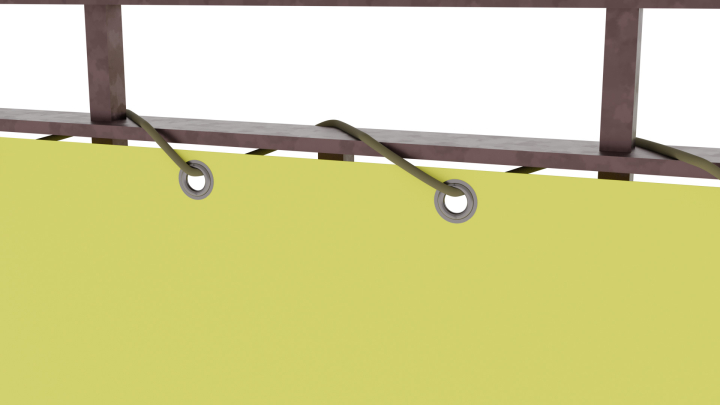
Which windbreak suits a patio or balcony? A fabric that is held firmly at the top and at the bottom. The key points at a glance:
- On a balcony railing: a balcony screen with eyelets at the top and bottom, fixed without drilling.
- On a patio, with or without a roof: an outdoor curtain with lead tape and eyelets in the bottom hem.
- In a windy spot: a track with a lock instead of a wire rope with a stopper.
- The balcony screen is tightly woven: in strong wind it holds with firm tension at many eyelets.
- Fabric is not storm protection: in a storm and in winter, you take it down.
Where a Fabric Windbreak Helps
A fabric windbreak needs a firm hold at the top and at the bottom. That is why the right idea depends on what you can attach it to. You can find more privacy ideas for a ground-level area under Ideas for patio privacy screens.
Windbreak on a balcony
On the railing, a balcony screen keeps the wind out from the side. It has eyelets at the top and bottom and is fixed with cable ties or cord, without any drilling. How this works step by step is explained under Attaching a privacy screen to a balcony railing.
Covered patio
Between the house wall and the posts of the cover, an outdoor curtain hangs as protection from wind, sun and prying eyes. You slide it aside when you do not need it: Made-to-measure outdoor curtains.
Under the pergola
A pergola gives the curtain posts and beams to hold on to. What it hangs from there and how you fit it is explained under Attaching a pergola curtain.
Loggia and balcony with a ceiling
If the balcony has a ceiling, a curtain works too. The made-to-measure balcony curtain can have lead tape and corner eyelets in the bottom hem, so it stays calmer in the wind.
Open area without a wall
A windbreak in the garden, for example for a seating area without a house wall or roof, first needs fixing points. What these can be is explained under Attaching a patio privacy screen. A fence or hedge is another way to do it, but we do not make these.
Fix It at the Bottom with Lead Tape and Eyelets
A fabric that only hangs from the top flaps back and forth in the wind. Only the bottom edge, with lead tape and eyelets in the hem, gives it a hold. How heavy the tape is and what you tie the eyelets to is explained under Weighting an outdoor curtain.
Balcony screen on the railing
On a balcony screen, the eyelets are at the top and bottom and are tied to the railing. Whether cord or cable ties suit you better is explained under Attaching a balcony screen.
Wire Rope or Track in Wind
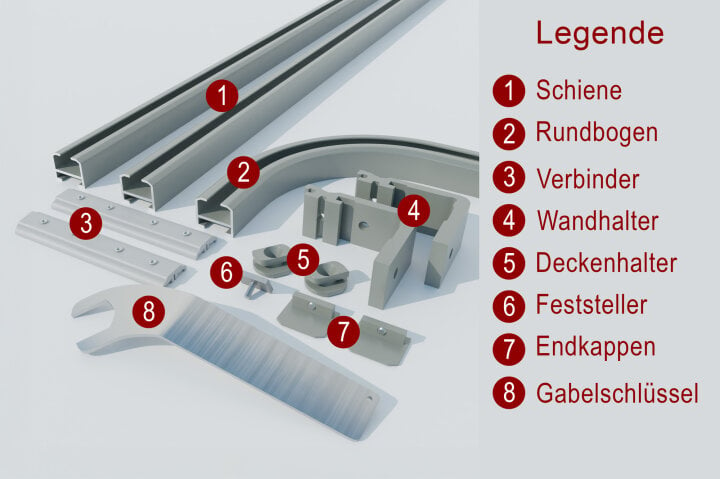
An outdoor curtain hangs from a wire rope or an aluminium track, and in normal weather both hold. In a very windy spot, the track with a lock is the more reliable choice. How wire rope and track are fitted and how they differ is explained under Wire rope or track on the patio.
Which Fabric Suits Windy Spots
The balcony screen comes in four fabrics, plain or striped. You can read which ones they are under Balcony privacy screen ideas.
Tension the balcony screen firmly
All fabrics for the balcony screen are tightly woven and opaque. In strong wind, firm tension at many eyelets helps: tie the screen tightly to the railing at every eyelet, top and bottom, and it will not flap.
More airflow with a curtain
If you want more air to pass through, an outdoor curtain made of semi-transparent fabric is a good choice: Made-to-measure outdoor curtains.
Thermal curtain
The thermal curtain, made of two layers with a fleece lining, dampens the wind even more. You can read more under Ideas for patio privacy screens.
Look at the swatches
You see how colour and weave look best in the original. Order free fabric swatches.
What a Fabric Windbreak Cannot Do
A fabric windbreak slows the wind, but it is not weather protection and not a storm or rain roof. Our fabrics are water-repellent, not waterproof. If a storm is on the way, take the fabric down: on a balcony screen you open the cord or cable ties, and you unhook the curtain.
Take the balcony screen and curtain down in winter and store both dry. The bottom fixing cannot take the load of ice and snow. Frost and damp at ground level also shorten the life of the fabric, rope, carabiners and lead tape.
A rope tension awning and a shade sail are pure sun protection, not wind protection. In strong wind you retract them. You can read more under Shade sails in wind.
More on Balcony Privacy Screens
Wind is only one part of the planning. These pages help with the next steps.
Make it yourself or have it made
What you need for measuring and what you can sew yourself is explained under Making a balcony privacy screen yourself.
All around the balcony
Several panels, corners and a gate: ideas for the whole balcony enclosure.
Frequently Asked Questions
Sources
Last reviewed: 09.11.2026 · Reviewer: Germes-Team
Made-to-Measure Wind Protection for Your Balcony
In the configurator you enter the width and height of your railing and choose the fabric. Free fabric swatches show you the colour and weave before you order.