





Care and
cleaning
What a product tolerates depends on how it is built - and on which fabric it is made from. That is why there are two lists here: one sorted by product, one by fabric quality.
The four big care cases
Four product groups account for most of the questions our customer service receives. Every other guide is listed below.
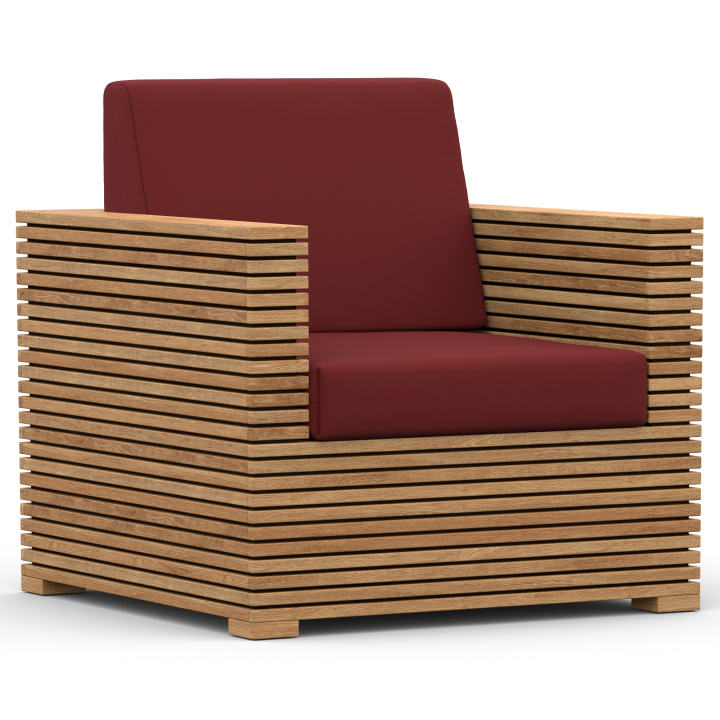


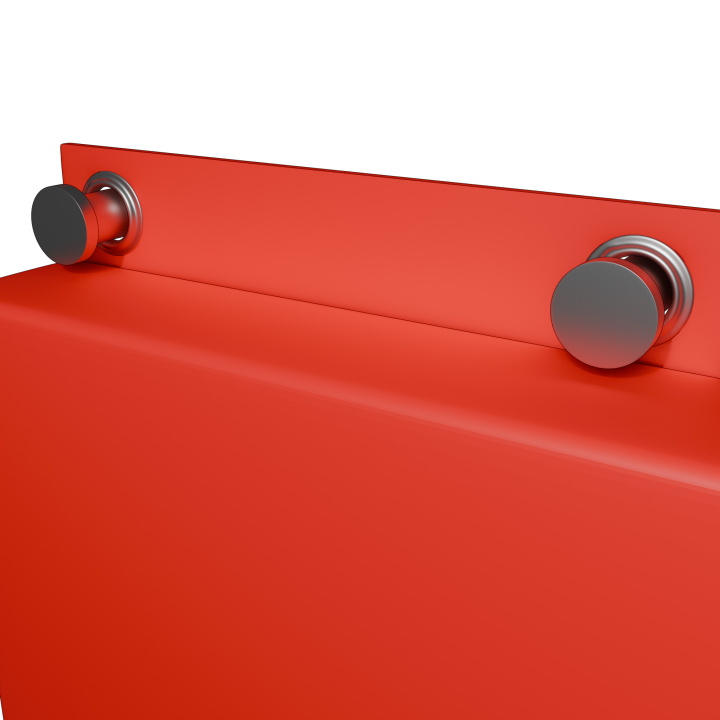
Care guides by product
One guide per product design. Quilted cushions tolerate different treatment from loose-covered ones, a sail different treatment from a tablecloth - so each design stands on its own.
Care instructions by fabric quality
Every fabric tolerates something different. Solution-dyed acrylic may see diluted bleach, velvet may not, polypropylene takes no heat. If you know which quality you have, this is the shorter route.
Four ground rules of outdoor care
Whatever the product and the fabric, these four points hold. They explain most of the damage that reaches us as a complaint.
Store dry, never damp
The most common damage is not wear but mould from goods packed away damp. Cushions and sails have to be fully dry before they go into a bag.
Acting early beats cleaning hard
A fresh stain comes out with lukewarm water. The same stain after four weeks needs agents that attack the water-repellent finish.
No pressure washer
The jet forces the fibres apart and destroys the impregnation for good. A soft brush, lukewarm water and time work better.
Impregnation is a wear part
The water-repellent finish fades with every wash. When water no longer beads but soaks in, the finish needs renewing - not the fabric replacing.
Frequently Asked Questions
Optimal protection for your outdoor products
Unsure what your fabric tolerates? Tell us the quality and the stain - we will tell you what helps and what to leave alone.