





Pergola vs Awning: A Comprehensive Guide to Choosing
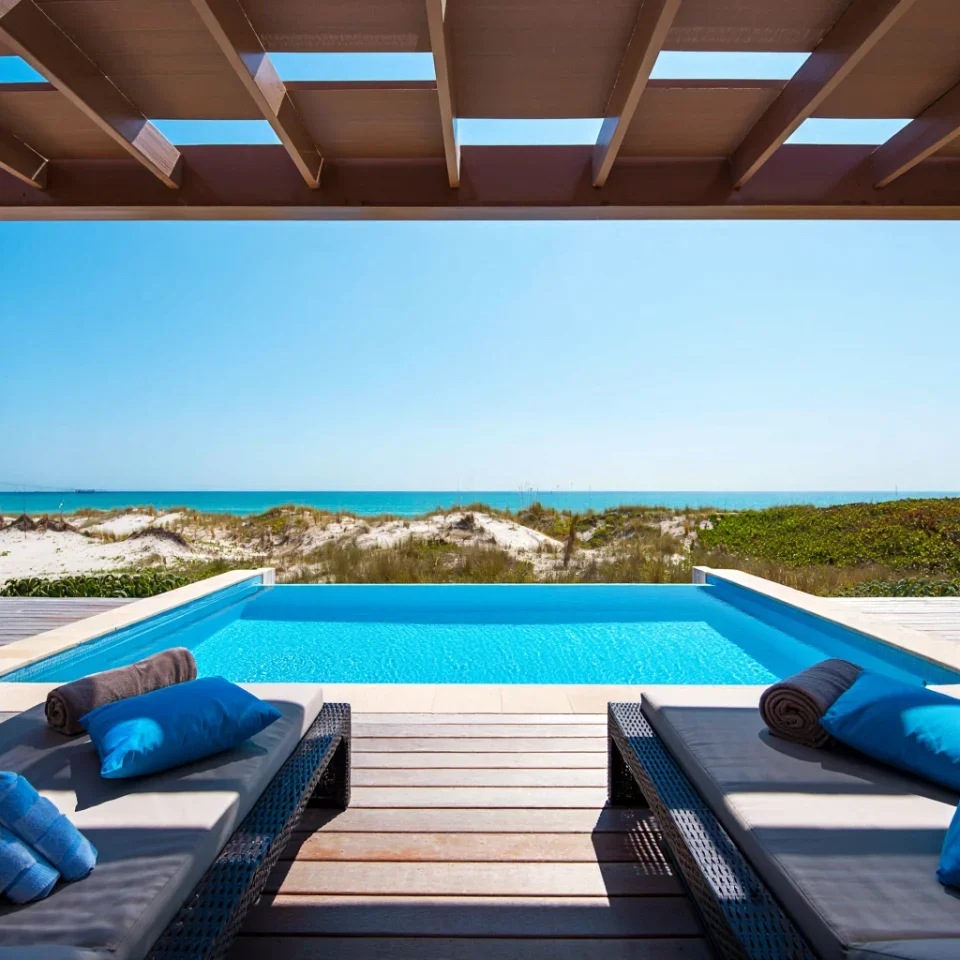
When enhancing an outdoor living space, many homeowners and business owners face a key decision: awning or pergola? Both outdoor structures offer sun protection, rain protection, and aesthetic appeal, but they differ in functionality, maintenance conditions, and durability.
A pergola design—whether a louvered pergola or wooden pergolas—creates a permanent structure that adds elegance and supports climbing plants. Meanwhile, retractable awnings offer more flexibility, allowing you to enjoy weather protection while keeping your outdoor area open when desired.
For residential and commercial properties, the right choice varies. Awnings protect windows, doors, and patios, reducing energy bills and helping to save money on cooling costs. With different models like semi cassette and full cassette, retractable awnings can be a superior choice for those seeking an affordable option with customization options.
Whether you're looking to create more space in your backyard, yard, or deck, selecting the right model is a significant investment. Understanding the differences will help you choose wisely for your home value and outdoor living area.
Understanding Basic Differences Between Pergolas and Awnings
Choosing between a pergola vs awning depends on your needs for shade, durability, and design. Both awnings and pergolas enhance outdoor space, but they differ in structure, function, and maintenance requirements.
A pergola is a permanent structure made of wood or metal, supported by posts and beams. It can be attached to a house or stand alone in a garden or patio, offering an elegant touch. Pergolas provide an open-air feel, allowing filtered sunlight while supporting climbing plants. They require regular maintenance, such as sealing or staining, to withstand inclement weather.
In contrast, an awning or pergola attached to a building provides shade and climate protection. Awnings shield windows, doors, and furniture, reducing heat and helping homeowners save money on cooling costs.
With customization options, they come in textile or metal, and models like semi cassette or full cassette offer more flexibility. Unlike pergolas, awnings can be completely closed, preventing mold growth and requiring regular cleaning to maintain their condition.
For residential and commercial properties, the right choice may differ depending on space, budget, and longevity. A pergola creates more room for relaxation, while retractable awnings offer convenience. A well-built pergola lasts two decades, while awnings need periodic textile replacement. If maximizing outdoor space efficiently is your priority, an awning might be the superior choice. However, if you seek a structure that blends seamlessly with your roof and style, a pergola may be the better fit.
Materials and Durability Comparison
When deciding on an awning or pergola, understanding material options is crucial for durability, maintenance conditions, and long-term performance. Both awnings and pergolas come in various materials, each offering unique benefits.
Pergola Materials
A pergola can be constructed from wood, 6063 aluminum, steel, or galvanized steel. Wood pergolas bring a natural aesthetic and blend well with gardens, but they require frequent sealing and staining to withstand weather conditions.
Aluminum construction, particularly 6063 aluminum, offers a lightweight yet strong alternative that resists rust and requires minimal upkeep. Steel and galvanized steel provide enhanced durability, though they may need protective coatings to prevent corrosion.
Awning Materials
Awnings typically use fabric materials stretched over metal frames. High-quality acrylic or vinyl-coated fabrics offer excellent sun and weather resistance while being easy to clean. Frames are usually made of aluminum construction, ensuring longevity with minimal maintenance. Unlike pergolas, awnings can be fully open or retracted, offering more flexibility in managing shade and protection.
Durability and Maintenance
The durability of awnings and pergolas depends on materials and care. Pergolas supply a more room-oriented permanent structure, while awnings require less maintenance but need occasional textile replacements. The lifespan of these structures can vary depending on climate and upkeep. Many manufacturers offer warranties, with aluminum pergolas often having the most extended coverage.
If you want to save money in the long run, consider low-maintenance materials like aluminum. The right material choice will ensure that such a purchase remains a worthwhile investment for your window, patio, or outdoor area.
Installation Complexity and Requirements
When considering an awning or pergola, understanding the installation process is essential. Both structures can provide shade, but their setup varies in complexity, cost, and time commitment.
Pergola Installation
A pergola is a ground-up construction project requiring a stable foundation and support structures. Whether made of wood or metal, it demands proper planning and adherence to building codes.
Since pergolas give a more room-oriented, permanent outdoor solution, installation often involves digging post holes, securing beams, and ensuring structural stability. While some homeowners opt for DIY installation, professional installation is recommended for durability and compliance with local regulations.
Awning Installation
Awnings, by contrast, typically require wall attachment rather than a dedicated foundation. Depending on the model, they can be manually operated or motorized. Some homeowners choose DIY installation, especially for smaller retractable awnings, but professional installation ensures proper mounting and long-term performance. Awnings can be fully open or retracted, offering more flexibility compared to pergolas.
Regulations and Considerations
Before installing either structure, checking local building codes is crucial. Some areas require permits, especially for large pergolas or awnings attached to a property near setbacks. The complexity of installation can vary depending on materials, size per square foot, and customization needs.
Ultimately, such a purchase should align with your needs. A pergola adds long-term property value, while an awning offers a quicker, more adaptable shade solution with customization options for different climates and weather conditions.
Cost Analysis and Long-term Value
When deciding between a pergola and an awning, understanding the investment and long-term financial benefits is essential. The total cost depends on factors like square footage cost, materials, design complexity, and installation costs.
Pricing Comparison
A pergola typically requires a higher initial investment due to its installation costs and materials. Basic wooden pavilions start at around $30–$60 per sq ft, while high-end 6063 aluminum or steel models with special features like motorized louvers can exceed $100 per sq ft. Custom-built pergolas with intricate design complexity will further raise costs.
Awnings, on the other hand, offer a more budget-friendly solution. A basic manually operated fabric awning can start at $10–$20 per sq ft, while high-quality retractable models with motorized controls range from $50–$100 per sq ft. Customization choices such as UV-resistant materials, weather sensors, and remote control systems increase pricing but enhance durability and convenience.
Long-term Value and Return on Investment
While awnings are a lower-cost investment, they may require fabric replacement every 5–10 years due to weather exposure. Pergolas, being permanent structures, add to a property’s aesthetic appeal and can increase long-term value, making them a strong selling point for homebuyers.
Final Considerations
When choosing between the two, consider maintenance, lifespan, and property value impact. If you seek a stylish, long-term value addition, a pergola is a solid choice. If affordability, customization, and quick install options are priorities, an awning may be the better fit.
Functionality and Adaptability
When selecting a shading structure, considering space utilization and adaptability to different conditions is crucial. Both pergolas and awnings offer unique benefits in terms of all-weather use, but their functionality varies based on features like adjustable louvers, ventilation, and wind shielding.
Pergola Functionality
A pergola provides an open, airy design that enhances ventilation while allowing partial sunlight to filter through. Modern pergolas often feature adjustable louvers, enabling homeowners to control shade, airflow, and shielding from rain.
With proper customization, pergolas can integrate lighting and heating, making them suitable for seasonal use and extending comfort into cooler months. Since pergolas are install-intensive and permanent, they offer excellent all-weather use, especially when designed with durable materials like 6063 aluminum or steel.
Awning Functionality
Awnings provide instant wind shielding and seasonal use flexibility. Retractable models allow homeowners to install sun and rain shielding only when needed, making them ideal for varied weather conditions. Unlike pergolas, awnings don’t have adjustable louvers, but motorized versions can include lighting and sensors for automatic deployment during harsh weather.
Choosing the Right Option
For those who prioritize long-term space utilization and structural enhancements, a pergola with adjustable louvers is a better choice. However, for quick, cost-effective wind shielding and seasonal use, an awning offers practical adaptability. The final decision depends on how much control you want over your outdoor environment and how frequently you plan to use the space.
Privacy and Space Creation

When designing an outdoor area, privacy plays a key role in creating an intimate setting. Both pergolas and awnings offer ways to enhance enclosed space, but their approaches differ in terms of structure and functionality.
Pergola Privacy Features
A pergola is ideal for those who want a more secluded space. By incorporating privacy screens, paneling options, or even climbing plants, homeowners can create a cozy garden corner shielded from neighbors. Many modern pergolas feature automated privacy screens, allowing users to adjust openness as needed. This makes them perfect for group gatherings where a balance between airflow and seclusion is desired.
Awning Privacy Features
Awnings, by contrast, are better suited for open-air entertainment areas rather than enclosed spaces. While they provide shade and some coverage, they lack built-in privacy screens. However, side panels or roll-down curtains can be added for additional seclusion. Since awnings retract, they are a more flexible solution, adjusting the level of exposure depending on the occasion.
Final Considerations
A pergola with paneling options offers better privacy for homeowners prioritizing a private garden corner or a dedicated group gathering space. An awning remains the ideal choice if the goal is to maintain an open yet shaded atmosphere.
Weather Protection and Climate Considerations
Choosing between a pergola and an awning depends on how well each structure can withstand different climate elements. Both offer varying levels of weather shielding, but their durability against wind, rain, and snow differs significantly.
Pergola Weather Resistance
A well-built pergola can be designed to meet hurricane standards, especially when constructed with reinforced materials like 6063 aluminum or steel. These structures offer excellent wind resistance and can support snow loads, making them suitable for colder climates.
Additionally, a pergola can create a partially enclosed space when paired with retractable canopies or side panels, offering better shielding against harsh weather.
Awning Weather Resistance
Awnings provide effective seasonal use but have limitations in extreme conditions. While they excel at blocking sun and light rain, high winds or heavy snow can damage retractable models.
Some high-end awnings include wind sensors that retract the fabric automatically in strong gusts, improving temperature protection. However, they typically don’t meet hurricane standards or hold significant snow loads, making them better suited for moderate climates.
Choosing the Right Option
If you live in an area with frequent storms or heavy snowfall, a pergola with reinforced materials is a better investment. For milder climates and flexible seasonal use, an awning provides sufficient climate elements while maintaining versatility.
Maintenance Requirements and Longevity

When investing in an outdoor shade structure, understanding maintenance conditions and longevity is crucial. Both pergolas and awnings require regular upkeep, but their needs vary based on material types and exposure to the elements.
Pergola Maintenance and Lifespan
A pergola’s durability depends on its construction material. Wooden pavilions require frequent cleaning, sealing, and staining to prevent rot, pests, and weather damage.
Metal options, such as 6063 aluminum or galvanized steel, offer superior weather resistance with minimal maintenance, needing only occasional washing and rust prevention treatments. With proper care, a pergola can last 20 years or more, making it a long-term investment in your outdoor space.
Awning Maintenance and Lifespan
Awnings demand more frequent cleaning to prevent mold and fabric deterioration. The lifespan of an awning depends on its material types—high-quality acrylic and UV-resistant fabrics last longer than standard canvas.
Retractable models reduce wear by protecting the fabric when not in use. However, exposure to strong sun, rain, and wind can still cause fading and tearing over time. On average, awnings last 10–15 years with regular upkeep.
Extending Longevity
To maximize lifespan, clean pergolas and awnings regularly, inspect for damage, and perform seasonal maintenance. Choosing durable materials and following manufacturer recommendations for care will ensure long-lasting weather resistance and structural integrity.
Making the Final Decision
Choosing between a pergola and an awning requires careful planning based on your specific needs, budget, and long-term goals. While both options enhance outdoor spaces, their benefits differ in terms of privacy, versatility, and customization choices.
A pergola is a long-term investment that adds elegance and property value, offering greater structural durability and the ability to integrate advanced features like lighting and automated screens. It is ideal for homeowners seeking a versatile, semi-permanent solution with extensive design flexibility.
On the other hand, an awning provides a more budget-friendly, adaptable option for quick shade and weather shielding. It is especially useful for those who need a retractable, low-maintenance structure that can be adjusted based on seasonal needs.
For the best outcome, consult professionals, explore customer service options, and compare models with different customization choices. By evaluating your priorities and outdoor space requirements, you can confidently choose the structure that best aligns with your lifestyle and preferences.
FAQs
What is better, a pergola or an awning?
The choice depends on your needs; pergolas offer durability, customization, and long-term value, while awnings provide affordability, flexibility, and quick shade for seasonal use.
Do pergolas keep rain out?
Standard pergolas do not fully block rain, but models with adjustable louvers, retractable canopies, or solid roofs provide better weather shelter. Adding side panels or waterproof covers enhances their ability to shield against rain.
Can pergolas withstand high winds?
Yes, especially aluminum or steel pergolas built to hurricane standards. Proper anchoring and adjustable louvers enhance wind resistance, but wooden arbors may require additional reinforcement in high-wind areas.
What is the lifespan of a pergola?
A pergola made of wood lasts 10–15 years with maintenance, while aluminum or steel models can exceed 20 years, offering greater durability and weather resistance.
Does pergola increase home value?
Yes, a well-designed pergola enhances curb appeal, expands outdoor living space, and adds functionality, making a property more attractive to buyers. High-quality materials and professional installation can further boost property value and return on investment.